Comprehensive Stretching & Rehabilitation Features
Mobilitycoachadvice provides evidence-based stretching guidance designed by rehabilitation specialists. Explore our detailed framework for safe movement recovery, joint mobility improvement, and personalized rehabilitation support.
Core Features for Effective Recovery
Evidence-Based Movement
All stretching protocols are grounded in biomechanics research and clinical practice. Our approach emphasises safe movement patterns that respect individual anatomy and recovery stage, ensuring guidance aligns with rehabilitation medicine standards.
Personalized Assessment
Every individual has unique movement needs. We provide comprehensive guidance for understanding your baseline flexibility, joint mobility, and muscle tone, allowing you to follow programmes tailored to your specific recovery goals and progression.
Safe Progression Protocol
Rehabilitation success depends on gradual, measured advancement. Our structured progression framework guides you through phases of increasing intensity, helping to build strength and mobility safely whilst minimising risk of overload or strain.
Specialist Guidance
Content is developed by experienced rehabilitation specialists with deep knowledge of therapeutic exercises and kinesiotherapy. Educational resources explain movement mechanics, helping you understand the 'why' behind each stretching and strengthening technique.
Quality & Adaptation
Rehabilitation is not one-size-fits-all. We emphasise the importance of adapting exercises to your individual circumstances, equipment availability, and recovery phase, with clear guidance on modifications and when to seek professional consultation.
Comprehensive Learning Hub
Beyond exercises, we offer detailed articles on movement biomechanics, joint health, flexibility training, and rehabilitation principles. Browse our editorial content to deepen understanding of how stretching supports recovery and mobility improvement.
Why Professional Stretching Matters for Recovery

Expert-Guided Rehabilitation Support
Stretching is more than touching your toes. Professional rehabilitation stretching addresses specific joint limitations, muscle tightness, and movement restrictions that develop after injury, surgery, or prolonged immobility. A qualified specialist understands the relationship between flexibility loss and functional impairment.
Our platform provides the knowledge of experienced rehabilitation practitioners, helping you understand how therapeutic stretching supports pain reduction, discomfort relief, and restored mobility. Each technique is selected for its therapeutic purpose within a structured recovery framework.
Whether recovering from injury or addressing chronic tension, evidence-based stretching combined with strengthening forms the foundation of successful rehabilitation. We guide you through proper form, intensity management, and progression.
Explore Exercise Guide5-Step Rehabilitation Protocol Framework
Initial Assessment & Movement Evaluation
Begin with a comprehensive understanding of your baseline mobility, flexibility status, and movement restrictions. This phase involves evaluating joint range of motion, identifying areas of tension, assessing muscle tone, and documenting baseline discomfort levels. Proper assessment guides all subsequent intervention decisions.
Gentle Introduction & Tissue Adaptation
The early rehabilitation phase emphasises gentle, controlled stretching to prepare tissues for progressive loading. Techniques focus on tension relief, reduced muscle spasm, and initial mobility gains. Duration and intensity are carefully calibrated to your recovery stage, avoiding aggressive stretching that could provoke inflammation.
Progressive Flexibility & Strengthening Integration
As tissue tolerance improves, stretching is combined with targeted strengthening to restore balanced muscle tone and joint stability. This phase addresses specific limitations through therapeutic exercises and joint gymnastics, building capacity for functional movement whilst maintaining gains from earlier phases.
Functional Movement & Balance Development
Once foundational flexibility and strength improve, focus shifts to coordination, balance, and movement quality under functional conditions. Stretching supports these gains by maintaining mobility whilst you develop the neuromuscular control needed for daily activities and safe movement mechanics.
Maintenance & Long-Term Prevention
Successful rehabilitation extends beyond acute recovery to sustainable maintenance. Long-term stretching and mobility programmes help prevent reinjury, maintain flexibility gains, and support healthy posture. Regular practice becomes part of self-management for ongoing support and adaptation to life demands.
Essential Stretching Techniques & Applications
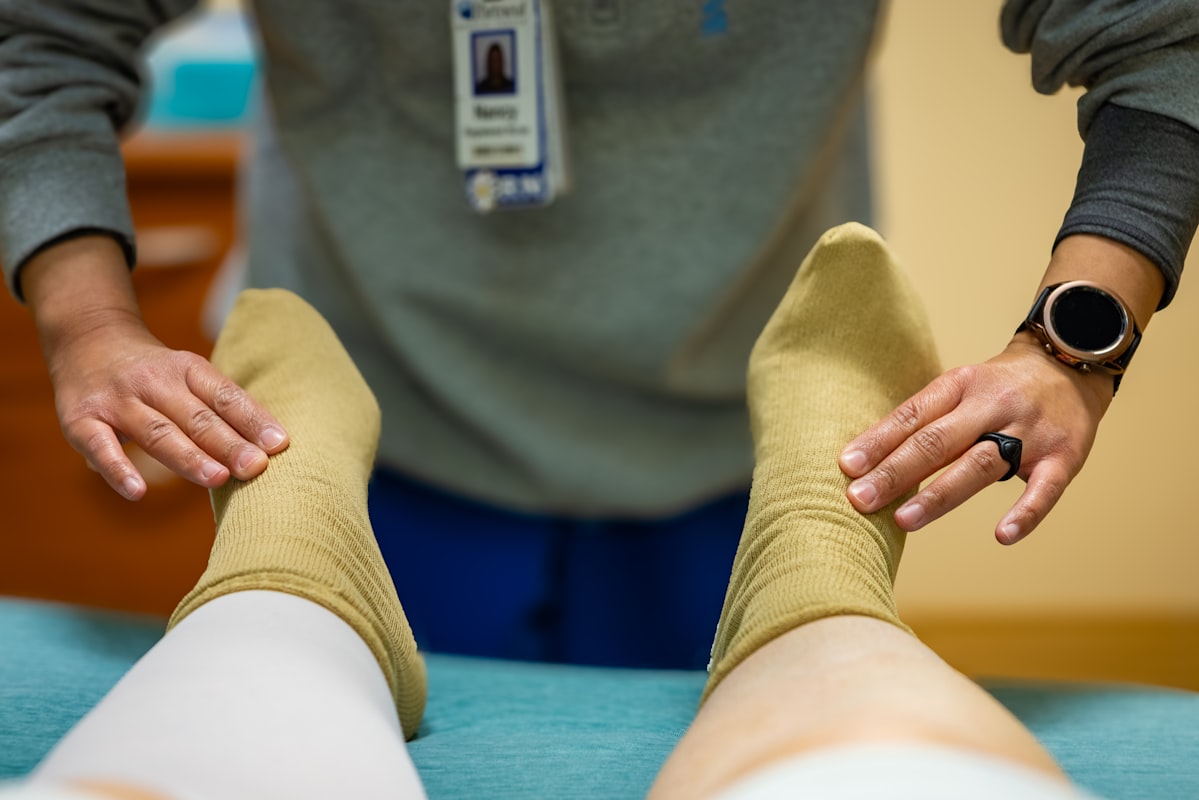
Static Stretching
Sustained holds targeting specific muscle groups. Ideal for improving flexibility and tension relief after activity. Particularly valuable in rehabilitation phases where controlled, gentle prolonged stretching supports gradual range of motion improvement.
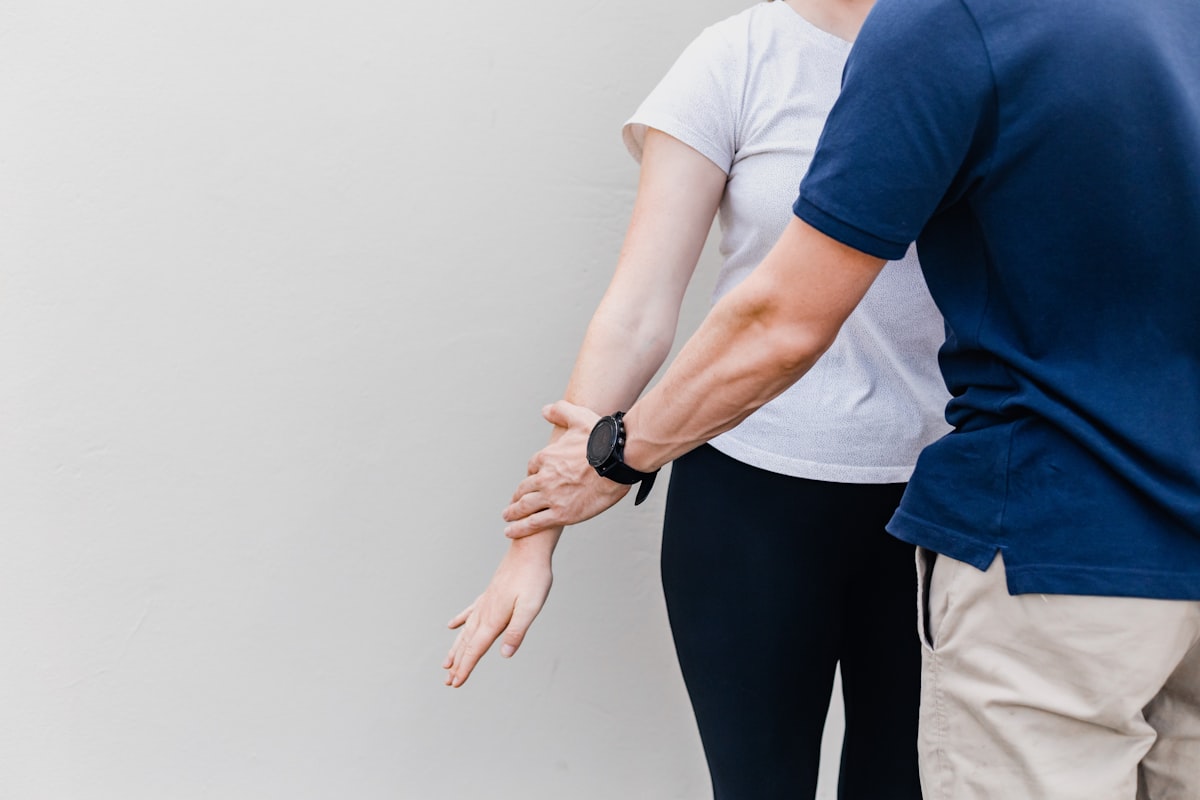
Dynamic Stretching
Controlled movement through progressively larger ranges. Supports joint mobility development and coordination improvement. Often used during recovery progression to safely explore expanding movement capacity whilst maintaining stability.
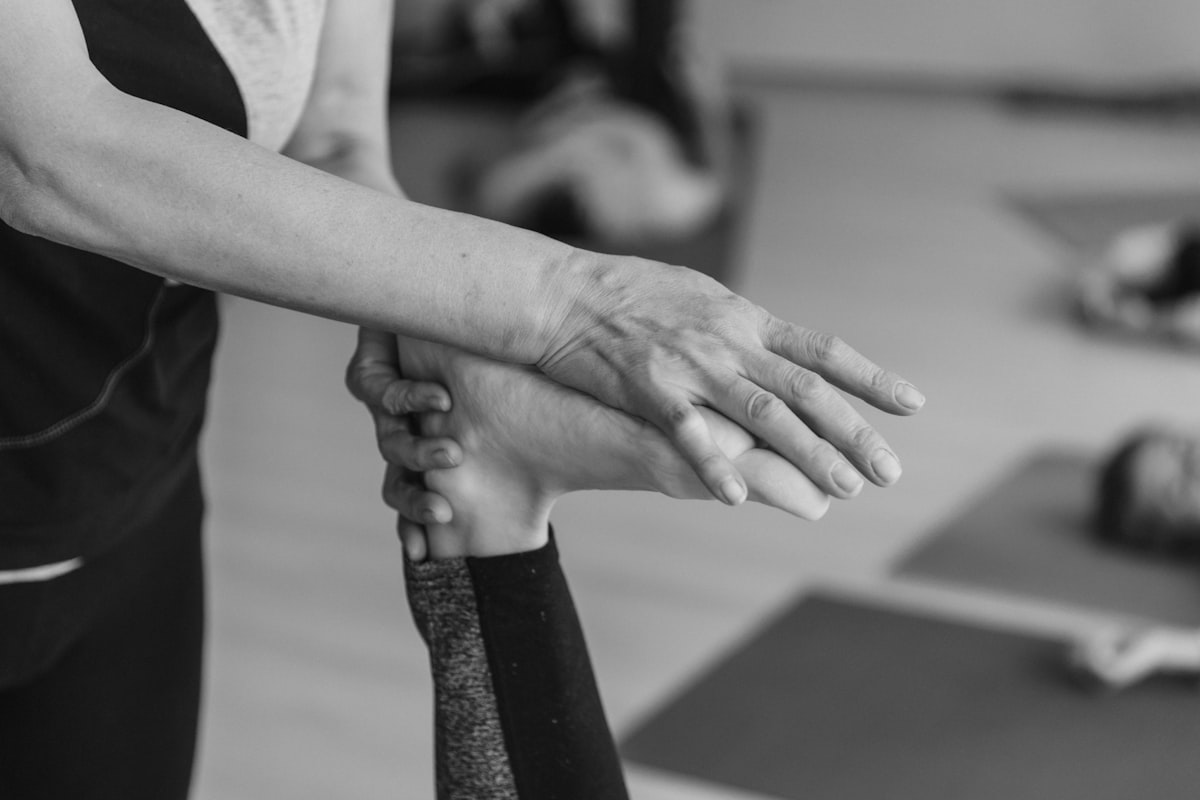
Proprioceptive Neuromuscular Facilitation
Advanced technique combining contraction and stretching phases. Highly effective for addressing significant movement restrictions and muscle spasm relief. Typically used in rehabilitation following professional assessment and guidance.
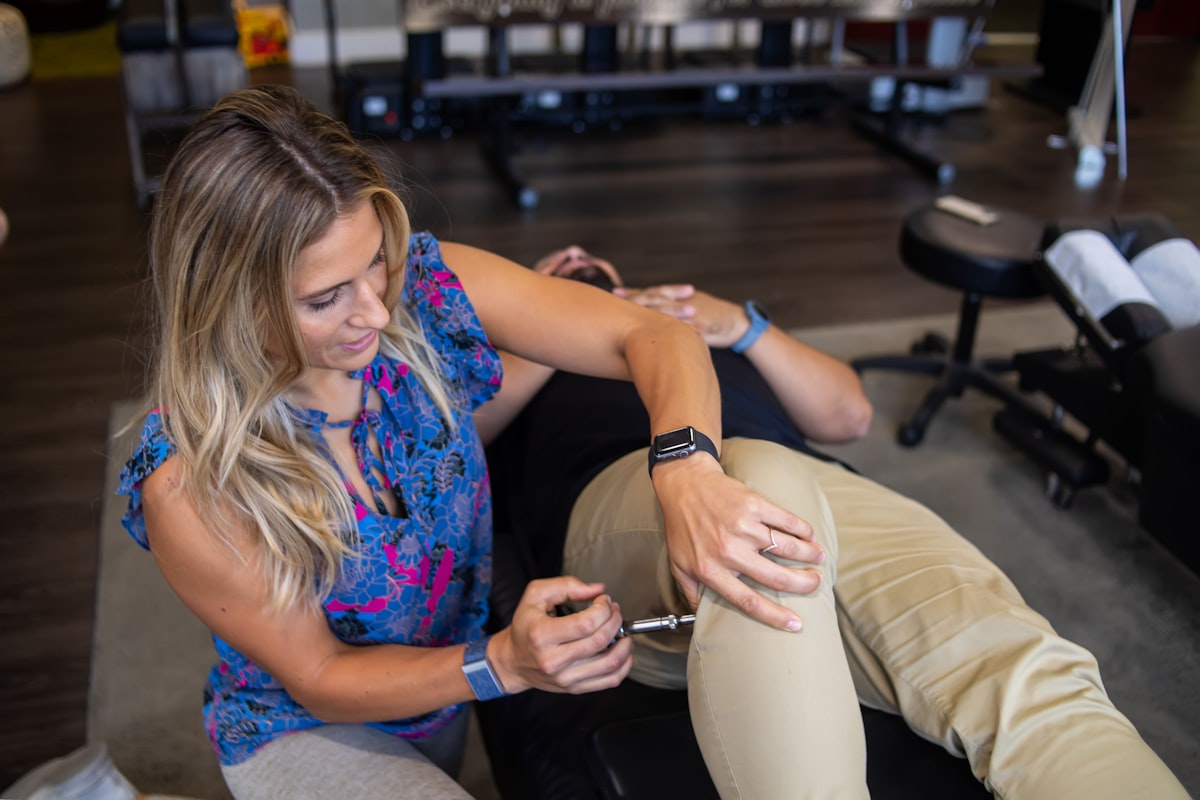
Myofascial Techniques
Release methods addressing fascial restrictions and muscle tension patterns. Supports discomfort reduction and improved tissue mobility. Can be applied independently or integrated into comprehensive rehabilitation programmes.
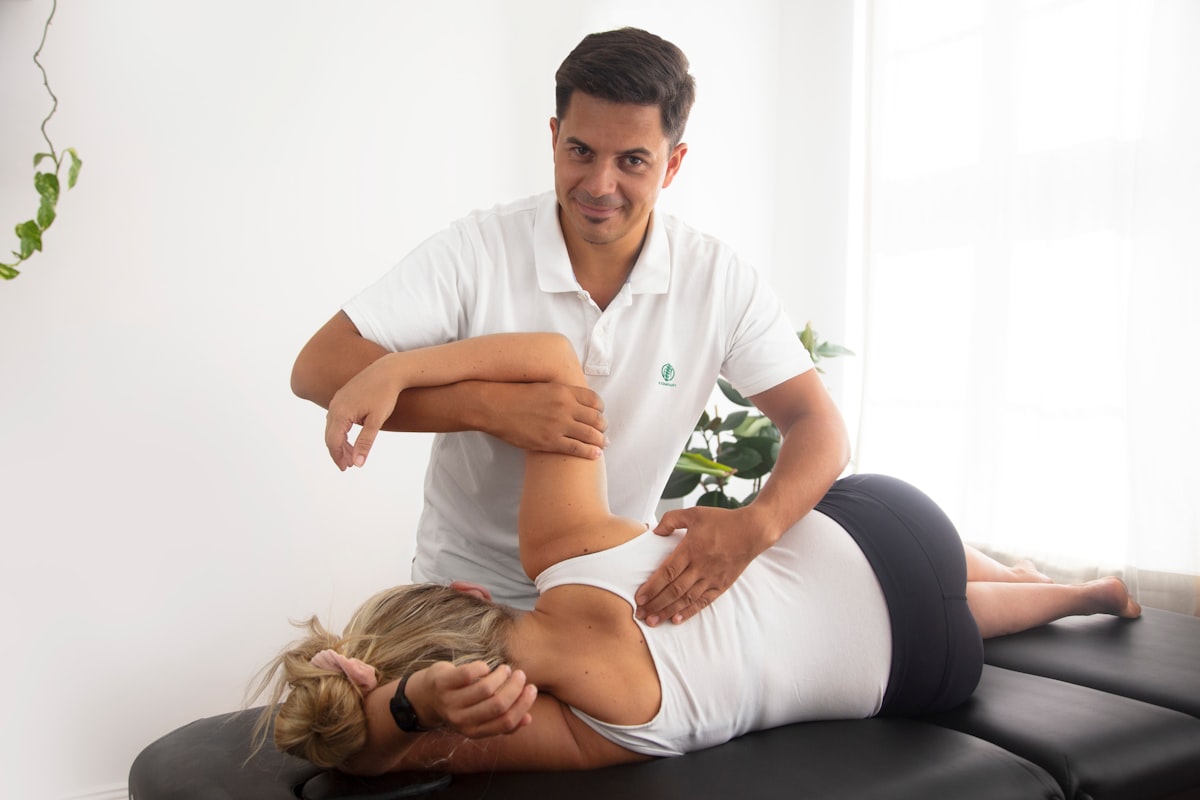
Joint Gymnastics
Controlled movements specifically targeting individual joint ranges and movement patterns. Core element of kinesiotherapy and therapeutic exercise. Addresses joint-specific restrictions whilst building neuromuscular control.

Postural Alignment Stretching
Targeted stretching addressing postural imbalances and adaptations. Supports healthy posture development and prevents common movement dysfunction patterns. Particularly relevant for recovery from prolonged positions or sedentary adaptation.
Recovery Outcomes & Benefits Framework
Flexibility & Joint Mobility
- Progressive expansion of movement ranges through structured stretching
- Improved joint mobility supporting functional movement restoration
- Reduction in movement restrictions and tightness patterns
- Support for healthy range of motion in daily activities
Discomfort & Tension Relief
- Muscle spasm relief through targeted stretching and release
- Tension reduction in commonly affected muscle groups
- Pain relief support through improved tissue mobility
- Discomfort reduction enabling increased activity tolerance
Strength & Muscle Tone Development
- Core strengthening integrated with flexibility work
- Balanced muscle tone supporting joint stability
- Progressive strength building through systematic progression
- Improved muscular support for joint protection and function
Functional Capacity & Adaptation
- Balance and coordination improvement supporting daily activities
- Healthy posture development and postural adaptation
- Return to functional movement and activity participation
- Prevention of compensatory patterns and secondary restrictions
Rehabilitation Support Resources
Exercise Guide
Comprehensive directory of therapeutic stretches and strengthening exercises with detailed instruction on proper form, progression, and adaptations for different recovery stages.
Common Questions
Answers to frequently asked questions about rehabilitation stretching, recovery timelines, safety considerations, and how to select appropriate exercises for your situation.
Editorial Articles
In-depth articles exploring movement biomechanics, rehabilitation principles, flexibility training strategies, and evidence-based approaches to recovery support.
Contact Us
Questions about our content or need guidance on how to adapt programmes to your specific situation? Reach out to our editorial team for support.
About Mobilitycoachadvice
Learn about our rehabilitation specialist team, our commitment to evidence-based content, and our mission to support mobility and recovery through quality information.
Important Disclaimer
Information about limitations of our educational content, when professional consultation is essential, and how our platform complements (not replaces) qualified healthcare guidance.
Common Questions About Rehabilitation Stretching
How do I know which stretches are appropriate for my stage of recovery?
Our exercise guide provides guidance on progression phases. Early-stage recovery typically involves gentle static stretching with careful intensity control. As mobility improves, dynamic techniques and stronger stretches can be introduced. If you've had recent injury or surgery, consult a qualified healthcare professional before beginning any programme. We emphasise adapting guidance to your individual circumstances and progression timeline.
What is the difference between stretching for flexibility and therapeutic stretching?
Flexibility stretching aims to increase range of motion. Therapeutic stretching targets specific restrictions, muscle spasm, and movement dysfunction to support recovery. Our programmes emphasise therapeutic applications aligned with rehabilitation goals. Each technique is selected for its specific therapeutic purpose within a structured recovery framework.
How long does it typically take to see improvement in mobility and flexibility?
Recovery timelines vary significantly based on injury type, severity, individual factors, and consistency of effort. Some individuals notice initial discomfort reduction within 1-2 weeks of consistent stretching. Meaningful flexibility gains typically develop over 4-12 weeks of regular practice. Full recovery may require several months. Our resources emphasise that patience and consistent application are key, along with appropriate progression rather than rushing intensity.
Can stretching alone address all my mobility concerns?
Stretching is most effective as part of a comprehensive approach combining flexibility work, strength training, and movement quality. Mobilitycoachadvice recommends addressing muscle tension, joint stability, and neuromuscular control together for optimal results.
How often should I perform mobility exercises?
For best results, we recommend daily mobility work or at minimum 4-5 times per week. Even 10-15 minutes of focused practice can yield significant improvements. The key is consistency rather than duration—regular, moderate effort outperforms sporadic intense sessions.
Are there mobility exercises for desk workers?
Absolutely. Desk workers benefit greatly from hip flexor releases, thoracic spine rotations, shoulder dislocates, and cervical mobility drills. Mobilitycoachadvice specialises in office-friendly routines that can be performed during work hours to counteract postural tightness and improve comfort.
Do I need special equipment for mobility training?
While props like foam rollers, lacrosse balls, and resistance bands enhance practice, they aren't essential. Many effective mobility drills use only bodyweight and gravity. Mobilitycoachadvice teaches progression with and without equipment, ensuring accessibility for everyone.
What Our Clients Say
Real results from real people who transformed their movement and quality of life through Mobilitycoachadvice guidance.
James M.
Accountant, 42
"After years of desk work, I had chronic lower back pain. Following the Mobilitycoachadvice programme for just 8 weeks, I'm pain-free and more flexible than I was in my 30s. Game-changer."
Sarah T.
Fitness Coach, 35
"I thought my shoulder mobility was locked. The personalised approach from Mobilitycoachadvice uncovered restrictions I didn't know existed. My athletic performance has improved dramatically."
Michael P.
Runner, 48
"Recovering from a knee injury, I needed a safe progression strategy. Mobilitycoachadvice guided me back to running pain-free. Their expertise and clarity are unmatched."