Evidence-Based Stretching for Recovery and Mobility
Discover safe, scientifically-guided stretching techniques designed by rehabilitation specialists. Learn how proper mobility support and therapeutic exercises can enhance your flexibility, reduce tension, and support your body's natural movement capabilities.
Core Principles of Therapeutic Movement
Safe Movement Principles
Every stretching protocol is built on evidence-based movement biomechanics. Our approach prioritizes joint mobility and muscle tone development through controlled, guided movements tailored to individual capabilities.
Personalized Approach
Recovery and rehabilitation are never one-size-fits-all. We believe in assessment-driven individual programs that adapt to your specific mobility needs, physical assessment findings, and adaptation patterns.
Qualified Specialist Guidance
Work with experienced rehabilitation specialists who understand muscle spasm relief, discomfort reduction, and the comprehensive approach needed for sustainable mobility improvement and healthy posture maintenance.
Why Choose Evidence-Based Rehabilitation

Comprehensive Support for Movement Recovery
- Flexibility Enhancement: Structured stretching exercises designed to improve range of motion and tension relief through scientific principles of kinesiotherapy.
- Core Strengthening: Integrated remedial gymnastics and joint gymnastics protocols that support muscle development and postural stability.
- Pain Reduction Support: Physical therapy techniques focused on discomfort reduction and muscle spasm relief through targeted therapeutic exercises.
- Movement Coordination: Expert guidance in balance, coordination, and healthy posture development using biomechanics of movement principles.
Our rehabilitation approach combines physical assessment with personalized exercise programs. Every session includes detailed consultation and guided movement instruction to ensure safe, effective recovery support.
Common Stretching Techniques for Daily Recovery
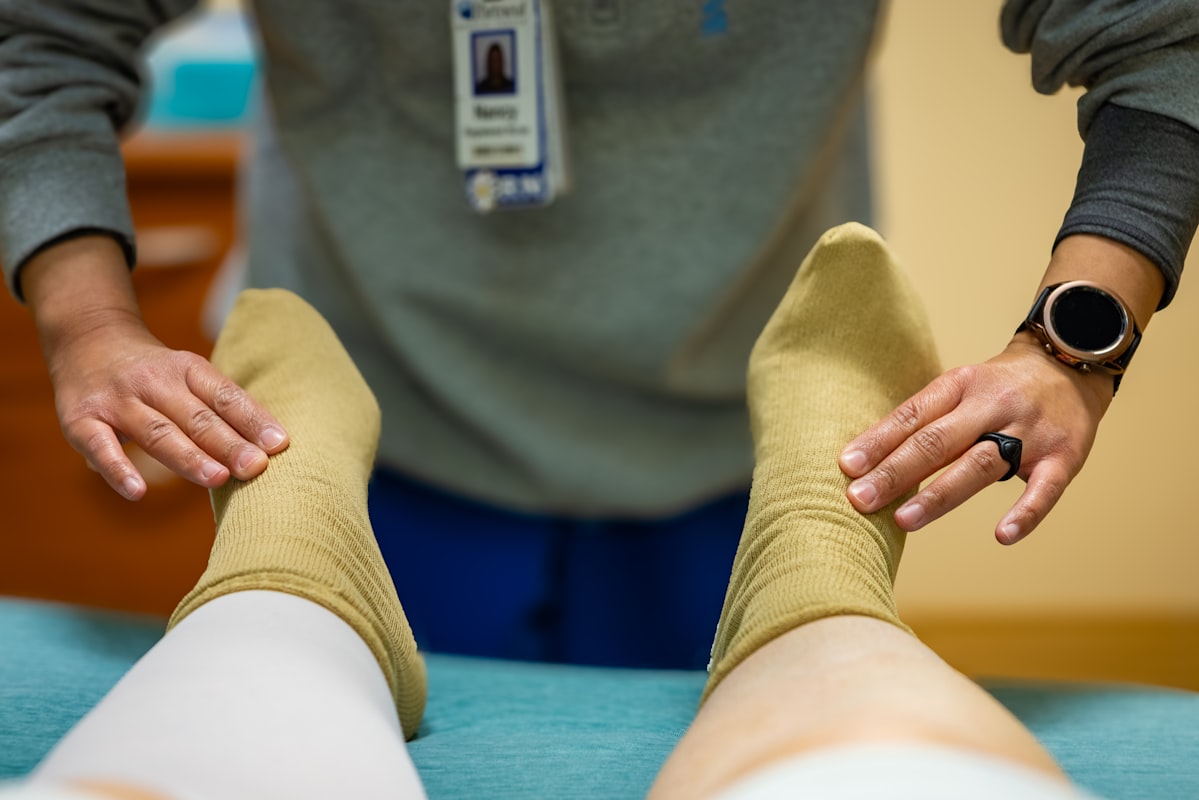
Hamstring & Lower Body Stretches
Learn evidence-based stretching sequences that target the hamstrings and supporting leg muscles. These therapeutic exercises help improve flexibility and support healthy movement patterns during daily activities.
Learn more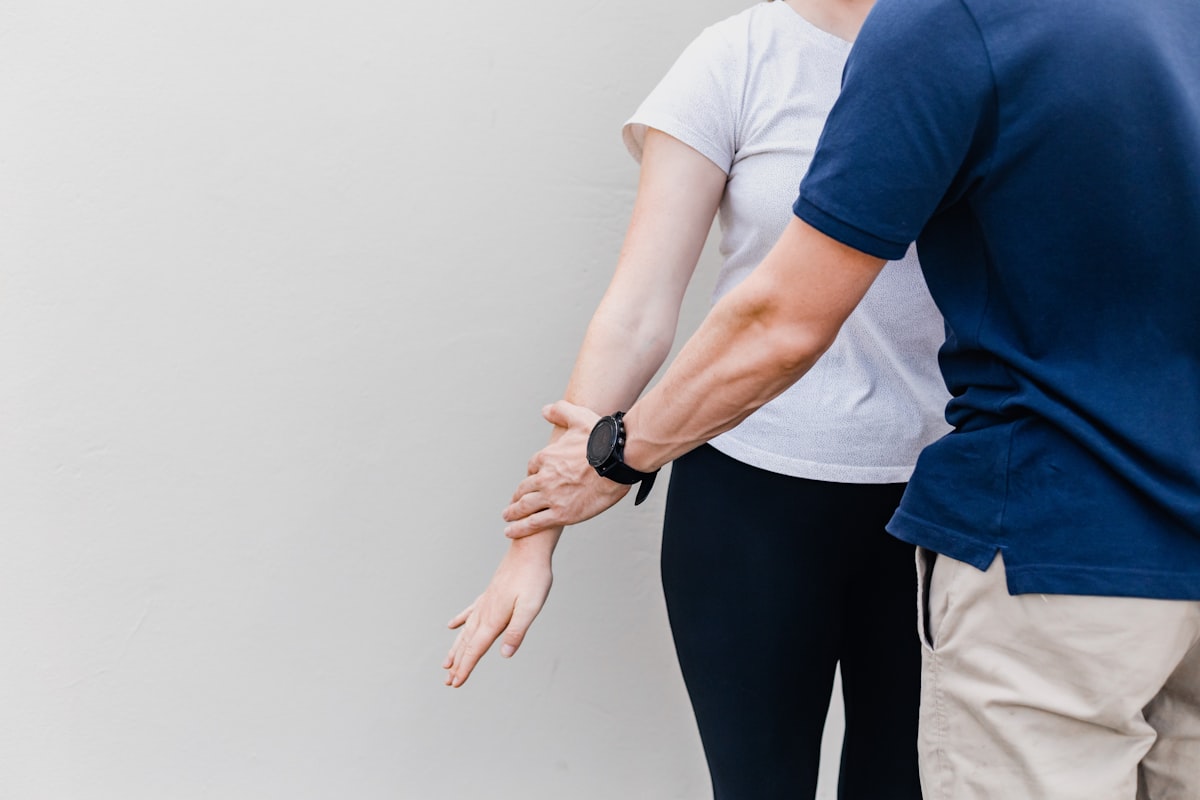
Shoulder & Upper Back Relief
Discover gentle yet effective stretching protocols for the shoulders, neck, and upper back. These exercises focus on muscle spasm relief and tension reduction, promoting healthy posture and improved range of motion.
Learn more
Core & Abdominal Stretches
Strengthen and support your core through guided therapeutic exercises. These remedial gymnastics techniques enhance stability, improve posture, and support your body's natural movement capabilities.
Learn more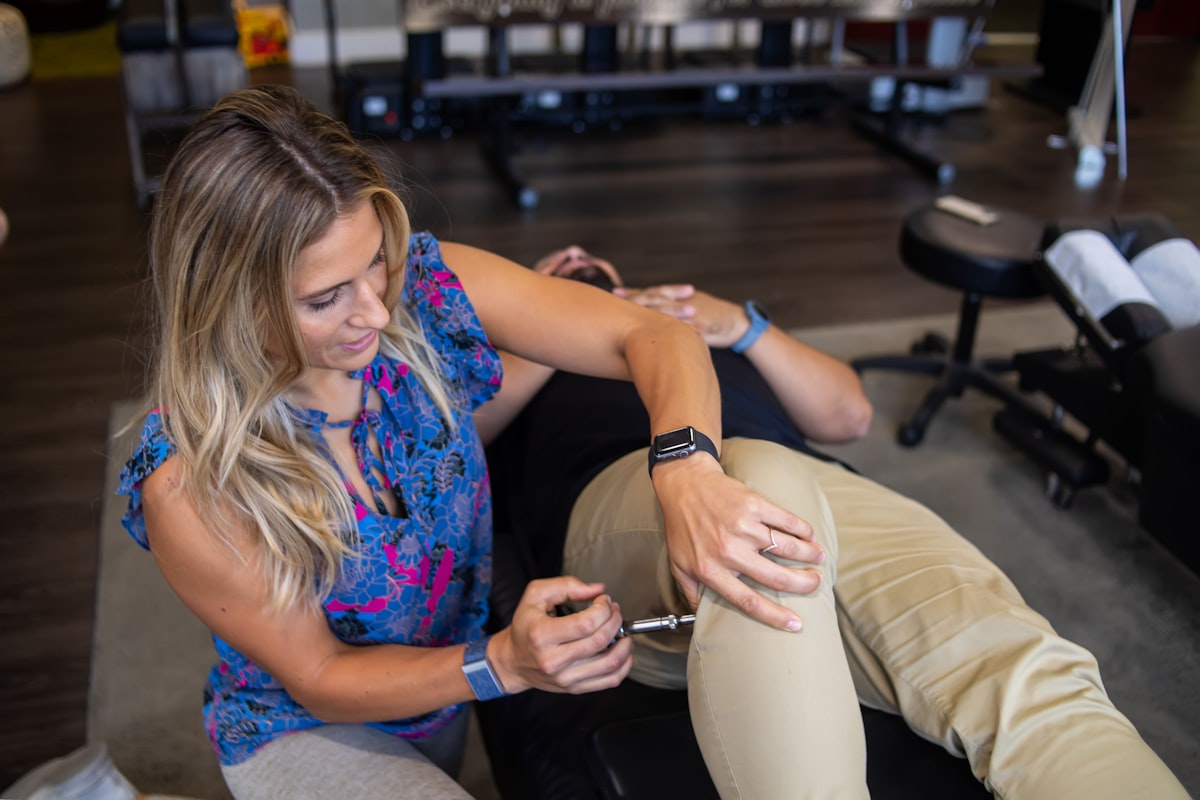
Hip Flexor & Lower Back Support
Target tension in the hip flexors and lower back with evidence-based stretching sequences. These joint gymnastics techniques improve mobility and support proper alignment during movement and rest.
Learn more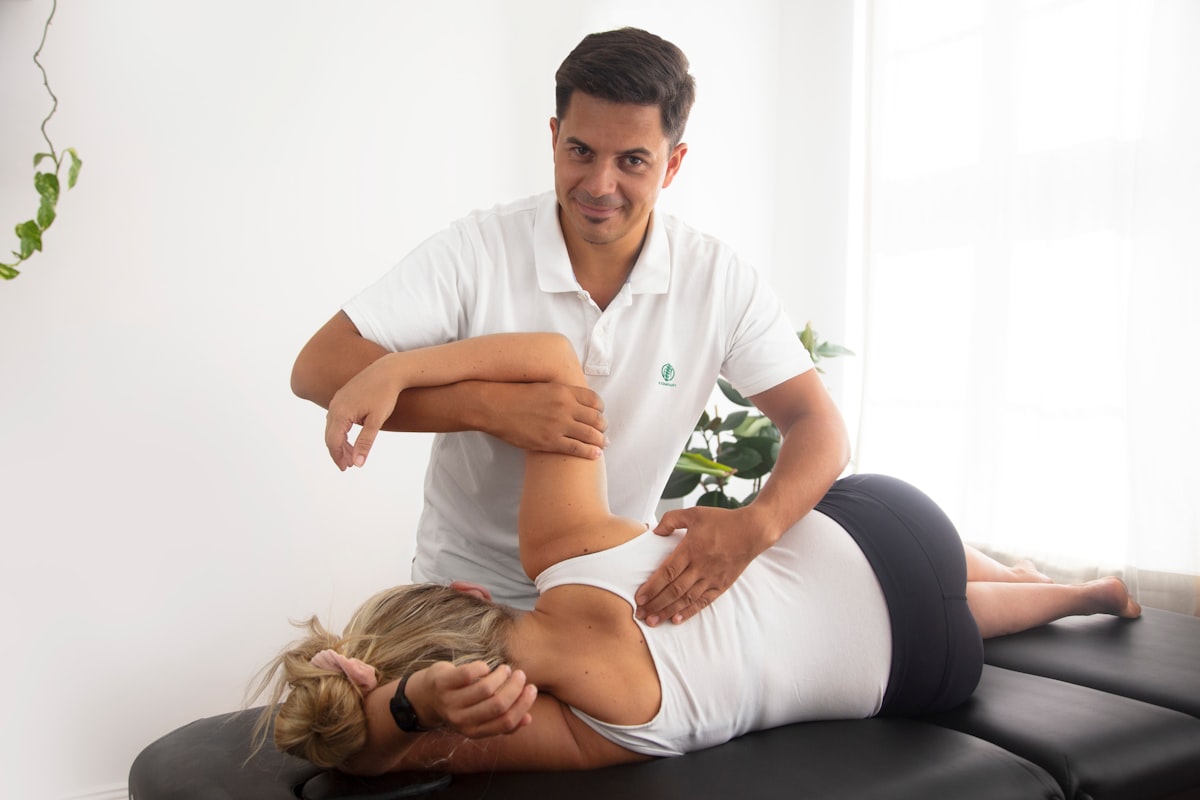
Calf & Ankle Mobility
Enhance ankle mobility and calf flexibility through targeted stretching. These physical therapy exercises support healthy movement patterns and help prevent discomfort in the lower extremities.
Learn more
Full Body Balance & Coordination
Develop balance, coordination, and overall body awareness through guided movement exercises. These comprehensive therapeutic sessions integrate multiple muscle groups for holistic mobility improvement.
Learn moreYour Recovery Journey: 5 Key Steps
Initial Physical Assessment
Begin with a comprehensive consultation where qualified specialists evaluate your current mobility, movement patterns, and individual needs. This assessment forms the foundation for your personalized program, ensuring all recommendations align with your specific condition and capabilities.
Customized Exercise Program Design
Receive an individual program incorporating evidence-based therapeutic exercises, stretching protocols, and remedial gymnastics tailored to your recovery needs. Your plan includes detailed guidance on safe movement, proper form, and progression timelines.
Guided Movement Instruction
Learn proper biomechanics of movement through detailed demonstration and feedback. Expert instruction ensures you understand joint mobility principles, muscle activation patterns, and the connection between form and results in every therapeutic exercise.
Progressive Adaptation & Monitoring
Track your progress as flexibility, core strengthening, and mobility support improve. Your program adapts based on advancement, ensuring ongoing challenge and consistent development. Regular assessment helps refine your exercises for maximum effectiveness.
Long-Term Maintenance & Prevention
Establish sustainable habits for continued recovery and mobility improvement. Learn prevention strategies, healthy posture techniques, and maintenance exercises that support lasting results and reduce future discomfort, allowing you to maintain your gains independently.
What Our Readers Say
"This guide completely changed how I approach my daily stretching routine. The evidence-based explanations helped me understand why each movement matters. The detailed instructions on safe movement have reduced my muscle tension significantly, and I can already notice improvement in my flexibility after just a few weeks of consistent practice."
Sarah Mitchell
Manchester
"I've struggled with lower back discomfort for years and tried numerous approaches. The comprehensive information on core strengthening and joint mobility here has been genuinely helpful. The personalized approach explained throughout the articles made me realize why generic routines weren't working for me. I now feel more confident in my exercise selection."
James Thompson
Leeds
"The detailed explanations about biomechanics of movement and muscle spasm relief have been invaluable. As someone recovering from an injury, I appreciated how the content emphasizes safe movement and proper form rather than pushing too hard. The step-by-step guidance and regular articles keep me motivated and informed. This is exactly the kind of evidence-based support I needed."
Emma Richardson
Birmingham
Frequently Asked Questions
How often should I perform stretching exercises?
The frequency depends on your individual program and recovery goals. Most evidence-based approaches recommend consistent daily stretching for 15-30 minutes, with proper rest days incorporated based on your physical assessment. Your personalized approach should outline specific recommendations for your situation. Consistency matters more than intensity for long-term mobility improvement.
Can stretching exercises help reduce muscle spasms?
Yes, therapeutic stretching combined with guided movement can support muscle spasm relief when performed correctly. Muscle spasm relief often requires addressing the underlying tension and improving flexibility through proper form and safe movement principles. A qualified specialist can recommend specific exercises targeting your situation and ensure proper technique for effective results.
How long before I notice improvement in flexibility?
Individual results vary based on your starting point, consistency, and specific program. Many people notice initial improvements in range of motion within 2-4 weeks of regular, guided movement. However, significant flexibility development and long-term adaptation typically require 8-12 weeks of consistent practice with proper form. Progress depends on following your personalized approach as recommended.
Are these exercises suitable for someone with limited mobility?
Therapeutic exercises and remedial gymnastics can be adapted for various ability levels. The key is working with a qualified specialist who performs a thorough physical assessment and designs your individual program accordingly. Safe movement principles allow for modifications that respect your current capabilities while progressively building mobility support and improving joint mobility over time.
What's the difference between static and dynamic stretching?
Static stretching holds a position for extended periods and is typically used for flexibility enhancement and tension relief after activity. Dynamic stretching involves controlled movement through your range of motion and is often used for warm-up and movement preparation. An evidence-based approach typically incorporates both based on your recovery goals, timing, and personalized program design.
Can I combine stretching with other rehabilitation approaches?
Yes, a comprehensive approach to recovery often integrates multiple therapeutic modalities. Stretching works well alongside core strengthening, joint gymnastics, and other physical therapy techniques. A comprehensive approach from a qualified specialist ensures all components work together effectively. Always discuss your complete recovery plan to ensure safe, coordinated progression.
Expand Your Knowledge on Mobility and Recovery
Explore our comprehensive collection of articles on evidence-based stretching, rehabilitation techniques, and movement science. Discover detailed guides on therapeutic exercises, biomechanics, and personalized approaches to support your long-term recovery journey.
Why Professional Guidance Matters in Recovery

Expert Assessment & Personalized Support
Working with a qualified specialist ensures your recovery plan aligns with your unique needs. A thorough physical assessment reveals movement patterns, limitations, and capabilities that generic programs miss. This foundation allows for truly personalized approach rather than cookie-cutter routines.
- Safe Movement Instruction: Learn proper form and biomechanics to prevent injury and maximize effectiveness of every therapeutic exercise.
- Individual Program Design: Your exercises adapt as you progress, ensuring ongoing challenge and preventing plateaus in mobility improvement.
- Real-Time Feedback: Qualified guidance corrects compensatory patterns and reinforces proper movement, accelerating your path to lasting results.
A comprehensive approach to rehabilitation recognizes that recovery is complex and individual. Professional consultation provides the assessment, guidance, and adaptation needed for sustainable improvement in flexibility, strength, and overall mobility support.
Ready to Enhance Your Mobility?
Discover comprehensive resources on evidence-based stretching, rehabilitation techniques, and therapeutic exercises. Connect with our editorial team for more information about mobility support and personalized guidance.